What Is a Hair Transplant is often the very first question people ask when hair loss stops feeling temporary and starts affecting daily life. At first, it may only be a slightly receding hairline or thinning at the crown. Over time, those small changes become harder to ignore. Mirrors linger longer. Photos are checked twice. And eventually, the search for a permanent solution begins.
This guide is written for people considering a hair transplant for the first time. Not to convince, not to exaggerate—but to explain the process honestly, based on real patient experiences, realistic timelines, and what actually happens before, during, and after the procedure.
What Is a Hair Transplant?
A hair transplant is a medical procedure in which healthy hair follicles are taken from a donor area—usually the back or sides of the scalp—and transplanted into areas affected by hair loss.
The reason the donor area matters is simple: hair follicles in this region are genetically resistant to balding. Once transplanted, they typically retain this resistance, which is why a hair transplant is considered a long-term, often permanent solution.
However, a hair transplant is not about creating new hair. It is about redistributing existing hair in a strategic and natural way. The success of the procedure depends not only on the technique, but also on planning, experience, and realistic expectations.
Why Do People Choose Hair Transplantation?
Hair loss is deeply personal. For some, it’s barely noticeable. For others, it slowly begins to affect confidence, social interactions, or professional presence. Most patients don’t wake up one day and decide to get a hair transplant. Instead, it’s a gradual decision shaped by time.
Common reasons people choose hair transplantation include:
A desire for a permanent solution
Dissatisfaction with temporary treatments
Wanting natural-looking results
Feeling that their appearance no longer reflects how they feel
Interestingly, many first-time patients later say the same thing: the hardest part was not the procedure—it was making the decision.
Who Is a Good Candidate for a Hair Transplant?
Understanding What Is a Hair Transplant also means understanding who it is suitable for. Not everyone experiencing hair loss is an immediate candidate, and that’s an important distinction.
Generally, good candidates are those who:
Have a stable pattern of hair loss
Possess adequate donor hair density
Are in good overall health
Have realistic expectations regarding density and coverage
A proper assessment is essential. Factors such as age, hair texture, donor area quality, and long-term hair loss patterns all influence the final result. A responsible approach always prioritizes suitability over speed.
Hair Transplant Methods Explained
When people research What Is a Hair Transplant, they often discover multiple techniques. Modern hair transplantation has evolved significantly, offering more refined and natural outcomes.
FUE (Follicular Unit Extraction)
In this method, hair follicles are extracted individually from the donor area and implanted into the recipient area. FUE Hair Transplantis widely used due to minimal scarring and relatively fast recovery.
DHI (Direct Hair Implantation)
DHI Hair Transplant uses a specialized implantation tool that allows follicles to be placed directly into the scalp. This provides greater control over angle and direction, often resulting in higher density in targeted areas.
Sapphire FUE
This technique uses sapphire blades to create implantation channels. The blades allow for more precise incisions, which may help reduce trauma to the scalp and support faster healing.
The “best” method is not universal. The right choice depends on individual hair characteristics, goals, and medical evaluation.
The Hair Transplant Process: Step by Step
For first-time patients, uncertainty usually comes from not knowing what the process actually looks like. In reality, the procedure follows a structured and predictable path.
1. Consultation and Analysis
Hair loss pattern, donor area quality, and expectations are evaluated in detail.
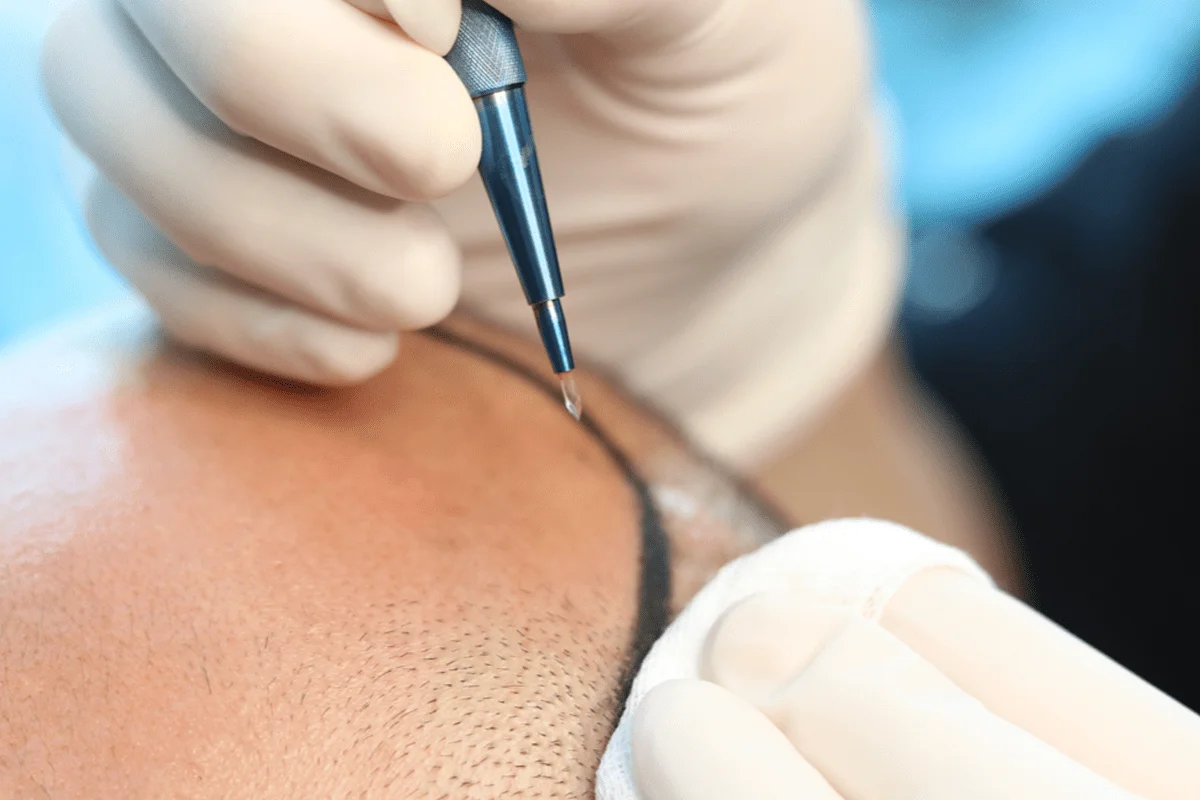
2. Hairline Design
This is one of the most critical steps. A natural-looking hairline is based on facial structure, age, and future hair loss patterns.
3. Procedure Day
The procedure is performed under local anesthesia. Patients remain awake but comfortable throughout the process.
4. Initial Recovery
Redness and mild scabbing are normal in the first days and gradually subside.
5. Growth Phase
New hair begins to grow slowly over several months, eventually blending naturally with existing hair.
Understanding each step helps reduce anxiety and builds realistic expectations.
Is a Hair Transplant Painful?
This is one of the most common concerns. The reality is reassuring.
Hair transplantation is not considered a painful procedure. Local anesthesia eliminates discomfort during the process. Afterward, some patients experience mild tightness or sensitivity, which usually resolves within a few days.
Many patients later describe the experience as far easier than expected, especially compared to the anxiety they felt beforehand.
What Happens After a Hair Transplant?
Post-procedure care plays a vital role in achieving optimal results. Following instructions carefully supports healthy healing and long-term success.
Typical aftercare guidelines include:
Protecting the scalp from impact
Following washing instructions precisely
Avoiding excessive sun exposure initially
Being patient during the shedding phase
Temporary shedding, often called “shock loss,” is normal and expected. It does not mean the transplant has failed.
When Do Hair Transplant Results Appear?
Patience is essential. A hair transplant is not an instant transformation.
Most patients follow this general timeline:
First month: Healing and shedding
Around 3 months: Early regrowth begins
Around 6 months: Noticeable improvement
Around 12 months: Final results become visible
The gradual nature of the process is what allows the hair to look natural.
Managing Expectations: What a Hair Transplant Can and Cannot Do
A key part of understanding What Is a Hair Transplant is knowing its limitations. Hair transplantation improves appearance significantly, but it does not recreate adolescent hair density.
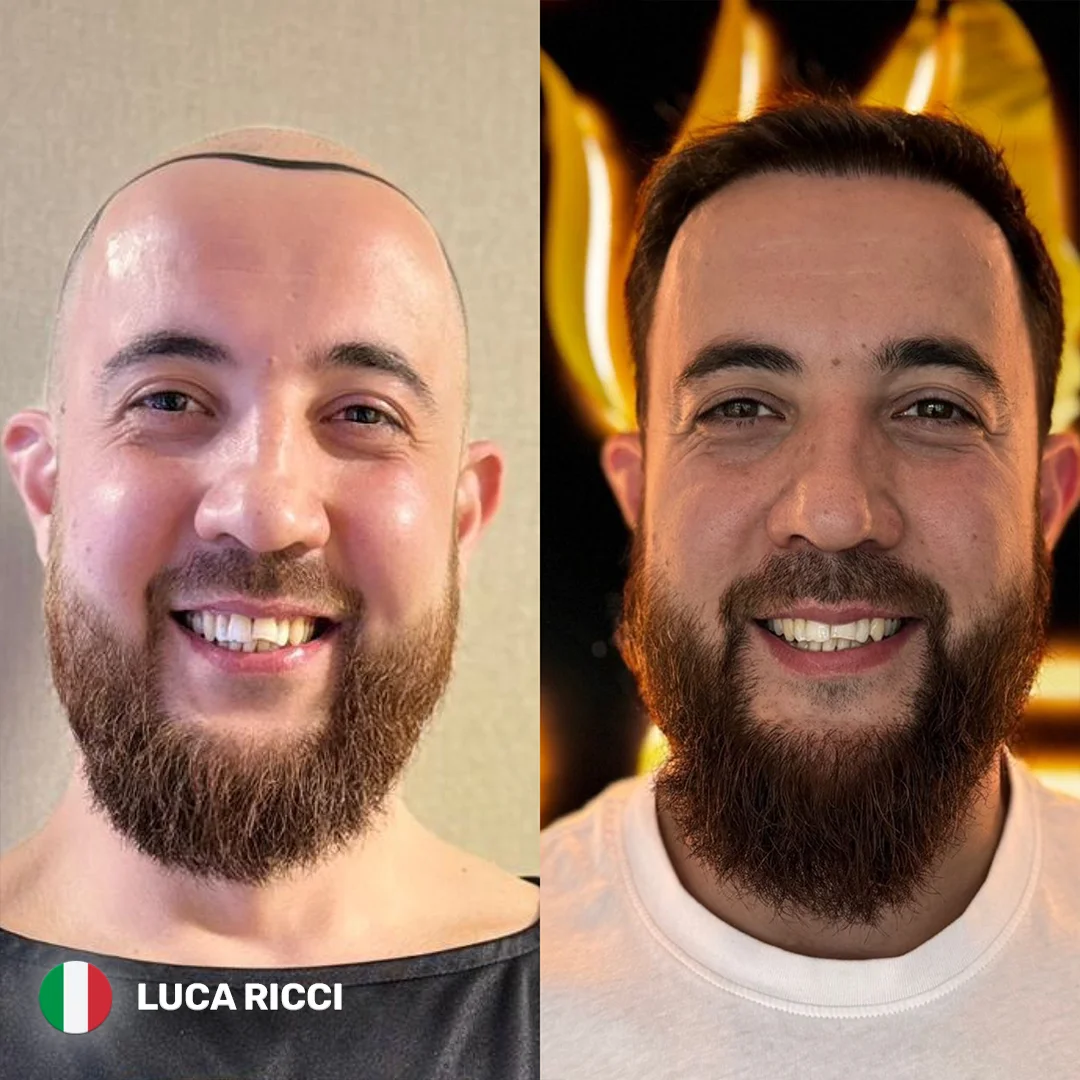
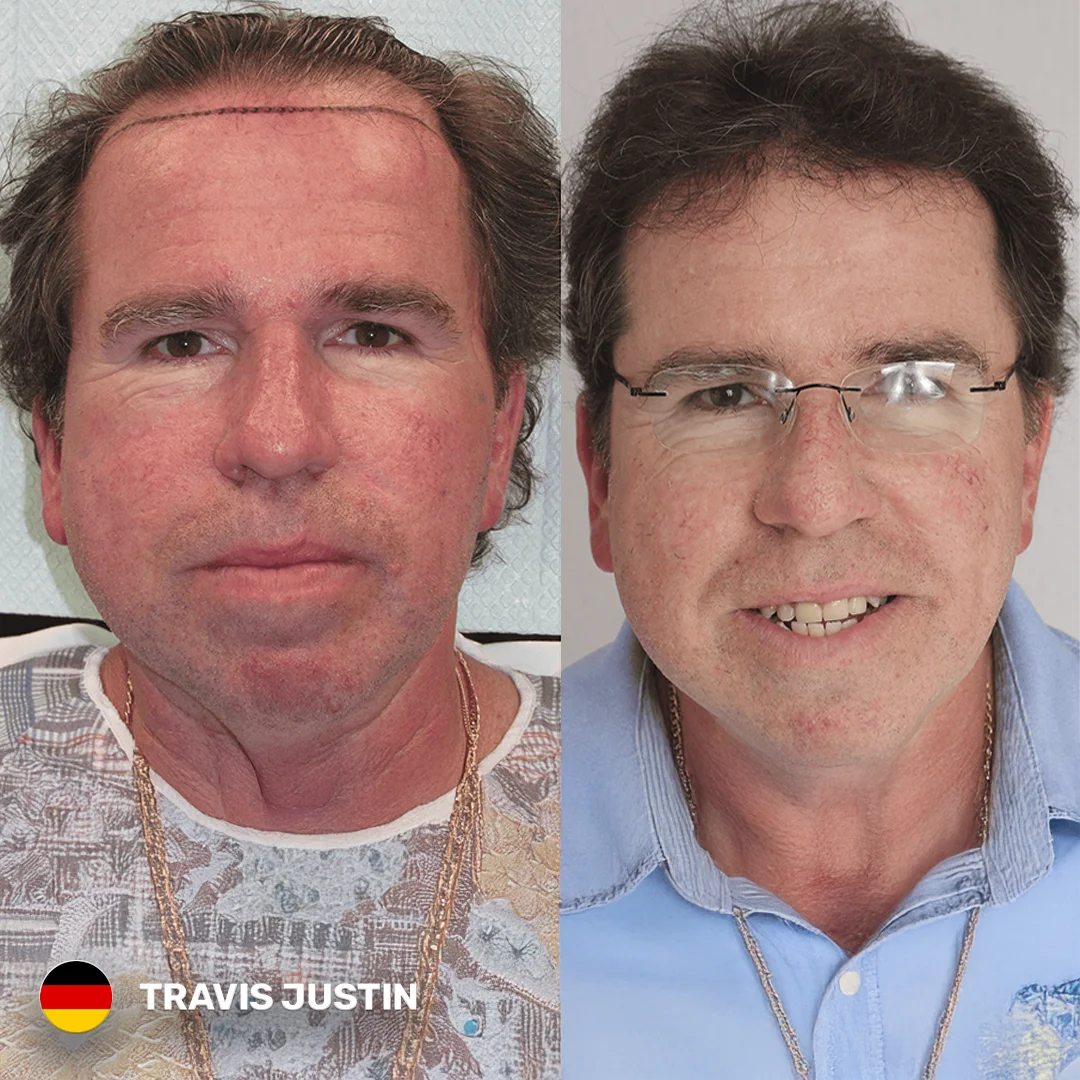
The most satisfied patients are those who aim for natural improvement rather than perfection. Density, coverage, and design are all balanced to achieve a realistic result that ages well over time.
Psychological Impact of Hair Restoration
While often discussed as a cosmetic procedure, hair transplantation frequently has a deeper impact. Many patients report feeling more confident, less self-conscious, and more comfortable in social situations after seeing their results.
The change is rarely dramatic overnight—but as hair grows and settles, so does the sense of ease with one’s appearance.
Final Thoughts: What Is a Hair Transplant and Is It Worth It?
So, What Is a Hair Transplant really about? It is about restoring harmony between appearance and self-perception. When performed with proper planning, medical expertise, and realistic expectations, a hair transplant can deliver natural, long-lasting results that feel authentic rather than artificial.
For anyone experiencing ongoing hair loss and searching for a permanent solution, understanding the process clearly is the first and most important step—and often the beginning of a positive change.
Trusted by Expert Surgeons & Satisfied Patients
Our highly skilled hair transplant specialists are dedicated to delivering safe, natural, and long-lasting results. With years of experience and thousands of successful procedures, we are recommended by leading doctors and chosen by patients worldwide.
A hair transplant is a procedure where healthy hair follicles are taken from a donor area, usually the back of the scalp, and transplanted into areas affected by hair loss. The transplanted hair grows naturally over time.
Is a hair transplant permanent?
Yes. Because the transplanted follicles are resistant to hair loss, results are generally permanent when the procedure is done correctly and the donor area is suitable.
Is a hair transplant painful?
No. The procedure is performed under local anesthesia, so pain is minimal. Some mild discomfort or tightness may occur afterward but usually resolves within a few days.
How long does it take to see results after a hair transplant?
Initial growth typically begins around 3 months. Visible improvement appears by 6 months, and final results are usually seen after 12 months.
Who is a good candidate for a hair transplant?
Good candidates are individuals with sufficient donor hair, stable hair loss patterns, good overall health, and realistic expectations about density and coverage.
Will the transplanted hair look natural?
When planned properly and performed by experienced professionals, transplanted hair grows naturally and blends seamlessly with existing hair.